**Maximizing Insights with ERP System Data Visualization and Reporting**
In today’s dynamic business landscape, data is often hailed as the new currency. Enterprises generate vast amounts of data through their day-to-day operations, and extracting meaningful insights from this data is crucial for informed decision-making. Enterprise Resource Planning (ERP) systems play a pivotal role in this regard, offering robust data visualization and reporting functionalities to empower organizations with actionable insights. This article delves into the intricacies of ERP system data visualization and reporting, exploring how these features enable businesses to unlock the full potential of their data assets.
**Harnessing Data Visualization Capabilities**
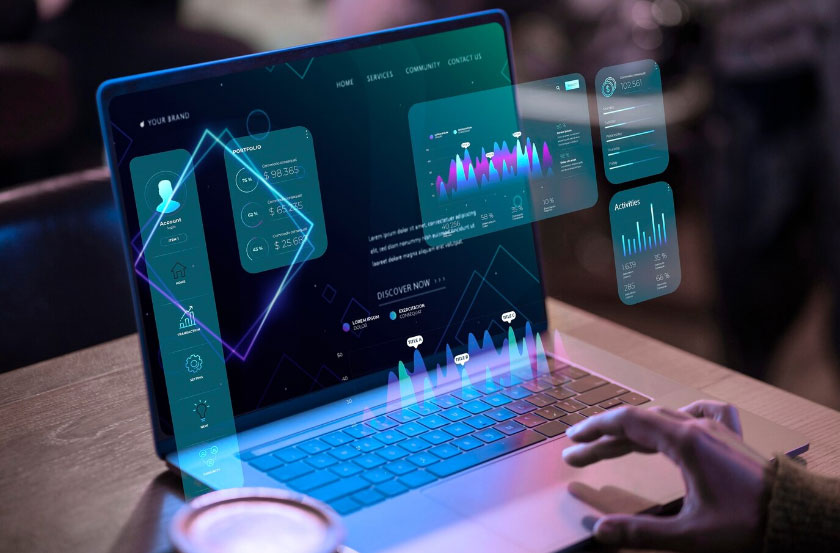
Data visualization is the graphical representation of information and data. In the context of ERP systems, data visualization tools transform complex datasets into visually appealing charts, graphs, and dashboards. These visualizations provide stakeholders with a clear and intuitive understanding of key performance indicators (KPIs), trends, and patterns within the organization. By leveraging data visualization capabilities, businesses can:
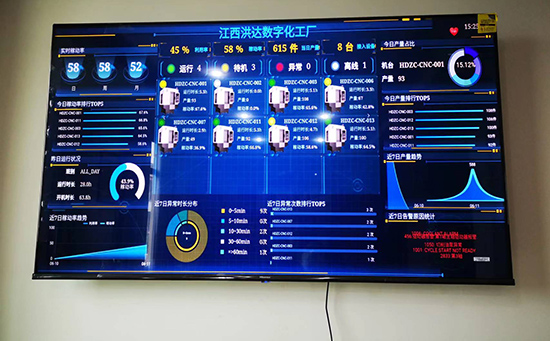
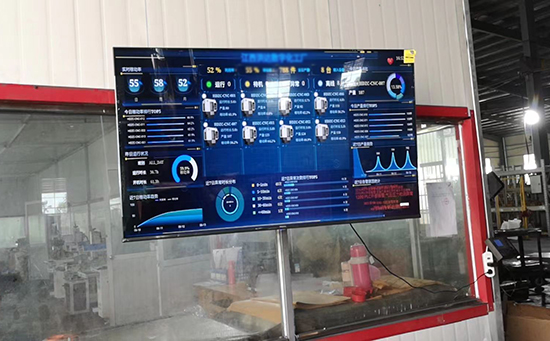
– **Gain Real-Time Insights**: ERP systems enable real-time data visualization, allowing stakeholders to monitor business performance metrics instantaneously. Whether it’s tracking sales figures, inventory levels, or production efficiency, real-time dashboards provide up-to-the-minute insights for agile decision-making.
– **Identify Trends and Patterns**: Through visual analysis of data, ERP systems help identify emerging trends and patterns that may not be apparent through raw data alone. From seasonal sales trends to customer buying behaviors, identifying these patterns empowers businesses to adapt strategies proactively.
– **Facilitate Data-Driven Decision Making**: Visual representations of data simplify complex information, making it easier for decision-makers to grasp the implications of their choices. Whether it’s optimizing supply chain logistics or refining marketing campaigns, data-driven decision-making is enhanced through intuitive data visualization.
**Empowering Users with Reporting Tools**
Reporting is the process of organizing data into informational summaries to monitor performance, track progress, and facilitate decision-making. ERP systems offer a wide array of reporting tools that enable users to generate customizable reports tailored to their specific needs. These reporting tools empower users to:
– **Customize Reports**: ERP systems allow users to customize reports based on parameters such as time period, geographical region, or product category. Whether it’s generating sales reports for a particular quarter or analyzing inventory turnover by warehouse location, customizable reporting tools provide flexibility in data analysis.
– **Automate Report Generation**: Manual report generation can be time-consuming and prone to errors. ERP systems streamline this process by automating report generation based on predefined schedules or triggers. Automated reporting ensures timely delivery of critical information without the need for manual intervention.
– **Drill-Down into Data**: Reporting tools in ERP systems offer drill-down functionality, enabling users to delve deeper into the underlying data behind summary reports. Whether it’s investigating the root cause of a performance issue or analyzing outliers in sales data, drill-down capabilities facilitate granular analysis for informed decision-making.
**Enhancing Collaboration and Communication**
Effective collaboration and communication are essential for driving organizational success. ERP system data visualization and reporting tools facilitate collaboration by:
– **Promoting Transparency**: Shared dashboards and reports promote transparency by providing stakeholders across the organization with access to the same data insights. Whether it’s department heads reviewing performance metrics or cross-functional teams collaborating on strategic initiatives, transparent access to data fosters alignment and accountability.
– **Facilitating Data Sharing**: ERP systems enable seamless sharing of visualizations and reports across teams and departments. Whether it’s exporting reports in various formats or sharing interactive dashboards via email or collaboration platforms, facilitating data sharing enhances communication and fosters a data-driven culture within the organization.
– **Encouraging Informed Discussions**: Visual representations of data serve as a common language that transcends departmental silos and technical expertise. Whether it’s discussing sales projections in a management meeting or analyzing production bottlenecks with frontline staff, data visualization and reporting tools facilitate informed discussions by providing a shared understanding of key metrics and insights.
**Optimizing Performance and Scalability**
As businesses grow and evolve, scalability and performance become critical considerations for ERP systems. To ensure optimal performance and scalability, organizations can:
– **Implement Cloud-Based Solutions**: Cloud-based ERP solutions offer scalability and flexibility by leveraging the power of cloud infrastructure. Whether it’s accommodating seasonal fluctuations in demand or scaling operations to support business expansion, cloud-based ERP systems provide the agility and scalability required to adapt to evolving business needs.
– **Utilize In-Memory Computing**: In-memory computing technology accelerates data processing and analysis by storing data in the system’s main memory rather than on disk-based storage. By reducing data access times and improving system responsiveness, in-memory computing enhances the performance of data visualization and reporting functionalities within ERP systems.
– **Optimize Data Architecture**: Efficient data architecture is essential for maximizing the performance of ERP system data visualization and reporting tools. By optimizing data storage, indexing, and query performance, organizations can minimize latency and ensure smooth operation even with large volumes of data.
**Harnessing Predictive Analytics and AI**
Predictive analytics and artificial intelligence (AI) capabilities are increasingly integrated into modern ERP systems, enabling organizations to forecast trends, anticipate customer behavior, and optimize business processes. By harnessing predictive analytics and AI, businesses can:
– **Anticipate Future Trends**: Predictive analytics algorithms analyze historical data to identify patterns and trends, allowing organizations to anticipate future market trends and customer preferences. Whether it’s predicting demand for a new product or forecasting customer churn, predictive analytics empowers businesses to stay ahead of the curve.
– **Optimize Resource Allocation**: AI-powered algorithms optimize resource allocation by analyzing data from various sources to identify inefficiencies and opportunities for improvement. Whether it’s optimizing inventory levels to minimize carrying costs or scheduling production workflows for maximum efficiency, AI-driven insights enable organizations to allocate resources effectively.
– **Enhance Decision Support**: AI-powered decision support systems augment human decision-making by providing actionable insights and recommendations based on data analysis. Whether it’s recommending personalized marketing strategies to target specific customer segments or identifying potential cost-saving opportunities in procurement processes, AI-driven decision support enhances the effectiveness of decision-making within the organization.
**Conclusion: Unlocking the Power of Data**
In conclusion, ERP system data visualization and reporting functionalities play a pivotal role in empowering organizations with actionable insights for informed decision-making. By harnessing the power of data visualization, reporting tools, collaboration features, performance optimization strategies, and predictive analytics, businesses can unlock the full potential of their data assets. In today’s data-driven world, organizations that leverage ERP system data visualization and reporting capabilities are better equipped to navigate complex challenges, seize opportunities, and drive sustainable growth.